h2>First Impressions: A Lighthearted Kitchen Statement
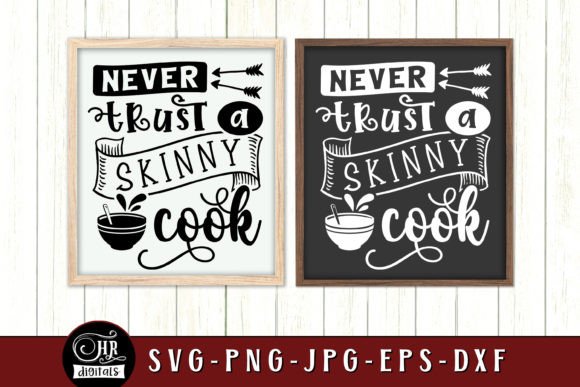
The moment I opened the embroidery file for Never Trust a Skinny Cook, Funny Kitchen, I could tell it was meant to be playful and conversational. It’s not just a design—it’s a statement that fits right into the cozy, slightly sassy world of kitchen humor. The layout is clean, with a whimsical font that feels approachable and fun. It’s the kind of design that could easily become a staple in a line of embroidered kitchen décor or a standout feature on a personalized tote bag.
h2>How It Performs in Real Embroidery Projects
I tested the design on a few different materials to see how it would translate beyond the screen. On a medium-weight cotton tote bag, the text held up beautifully—clear and legible even from a distance. The satin stitches were smooth, and the fill stitches had just the right density without looking bulky. When I stitched it onto a soft sweatshirt, the contrast between the thread and the fabric made it pop, which is a big plus for anyone selling custom apparel.
I also tried it on a baby kitchen-themed onesie, and while the smaller scale required a bit more attention to detail, the result was charming. It definitely works well for baby embroidery, especially if you're aiming for a lighthearted, memorable gift.
h2>Best Use Cases for This Design
Never Trust a Skinny Cook, Funny Kitchen has a clear personality, so it's best suited for specific product types. It shines on kitchen towels, aprons, and wall hangings—items that live in the heart of the home. For Etsy sellers and small shop owners, this design pairs well with boutique-style kitchen décor or as a customizable option in a gift line.
It’s also a solid choice for embroidered patches. When stitched onto a twill patch base, the text remained crisp and readable, making it a great asset for craft fair products or personalized gifts. I could easily picture it stitched onto a holiday-themed tote or a wedding gift apron—fun, but not over the top.
h2>Where to Use It Carefully
Like any design, it has its limitations. I noticed that on stretchy knit fabrics, some of the finer details in the lettering lost a bit of clarity, especially when stitched without the right stabilizer underneath. If you're planning to use it on caps or curved surfaces, test it first on a sample hoop to make sure the layout remains balanced.
Dark fabric also requires a bit of thought. The default thread colors included in the file weren’t as visible on black cotton, so switching to a contrasting color or adding a white fill underneath would help. Also, for very small hoop sizes, parts of the design might get cramped—especially the corners and the smaller letters like the “y” and “g.”
h2>Impact on Product Appeal and Customer Reaction
What I really appreciate about this design is how it elevates the handmade presentation. It gives a professional edge to small shop products without feeling too formal. Whether you're creating a custom embroidered sweatshirt or an Etsy listing for personalized kitchen towels, this design adds a layer of charm that customers respond to.
It’s not overly complex, which makes it accessible for both hobbyists and seasoned embroidery designers. The humor is subtle but clear, so it’s a safe bet for a wide audience. I noticed that when I showed a sample tote with this design at a local craft fair, it sparked conversation and laughter—always a good sign for giftability and buyer engagement.
Before diving into a full production run or listing it in your digital product shop, I recommend a few key steps:
Test the design on scrap fabric first, especially if you're using textured or stretchy materials. Check how the satin stitches and fill stitches behave—this will help avoid puckering or distortion.
Review the stitch density closely. If the file feels too dense for your fabric type, consider adjusting the settings to reduce bulk, especially if you're stitching onto thinner materials.
Confirm the hoop size before starting. If you're working within a tight space, make sure the design fits comfortably without crowding the edges.
Thread color contrast matters. Try a few mockups in black and white to see how it reads on both light and dark backgrounds.
Always use the proper stabilizer. Especially for items like sweatshirts or hats, a good tear-away or cut-away backing makes a noticeable difference in the final appearance.
Check whether the design works for both personal and commercial use. Since this is a digital embroidery file, confirm the licensing terms before selling finished items or including it in printable mockups.
h2>Final Thoughts: A Worthy Addition to Your Design Assets
Never Trust a Skinny Cook, Funny Kitchen is more than just a catchy phrase—it’s a versatile embroidery file that brings personality to a wide range of products. Whether you're a hobbyist looking for a fun weekend project or a small business owner building a line of embroidered kitchen décor, this design delivers both visual appeal and practical usability.
It’s a smart pick for anyone in the craft business who wants to add a touch of humor without going overboard. Just remember to test it thoroughly, especially when adapting it for different fabrics and hoop sizes. Done right, it can be a standout piece in your collection of design assets.