Messes and Memories, Cute Kitchen: A Designer’s Honest Review
First Impressions: Whimsy Meets Practicality
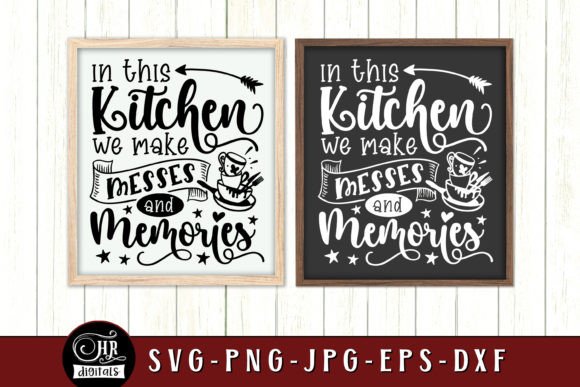
When I first opened the Messes and Memories, Cute Kitchen embroidery design, I was struck by its playful charm. It's the kind of design that immediately feels at home in a cozy kitchen, a handmade gift shop, or stitched onto a custom apron. The layout is clean and centered, with a hand-lettered aesthetic that balances humor and warmth. It’s clearly aimed at a lighthearted audience—think Etsy sellers of home goods, boutique gift makers, and crafters who love to add personality to everyday items.
What stands out most is how the design carries a strong visual identity without being overwhelming. It’s not overly detailed, which is a plus when you’re working with limited hoop space or textured fabrics. The theme is universal: anyone who’s ever cooked, baked, or made a mess in the kitchen will relate. That makes it a versatile asset for embroidered products that aim to connect emotionally with buyers.
Real-World Use: From Tote Bags to Baby Bibs
I tested the Messes and Memories, Cute Kitchen design on a few different materials to see how it would hold up in real-life projects. First, I stitched it onto a cotton tote bag. The result was clean and readable, with just enough detail to add character without looking cluttered. The satin and fill stitches performed well, staying sharp and consistent across the letters.
Next, I tried it on a baby bib. The font style is soft and approachable, making it a great fit for children’s items. It didn’t pull or pucker on the lightweight fabric, especially when I used a light tear-away stabilizer. This is a good candidate for baby shower gifts or boutique-style baby apparel—especially when paired with coordinating kitchen-themed designs.
For a holiday project, I added it to a linen kitchen towel. The contrast between the rustic fabric and the bright thread added a nice handmade touch. It stitched out smoothly, even around the curves of the lettering. The design scaled well without losing clarity, which is important for sellers who want to offer variations in size.
Commercial Appeal: Etsy, Craft Fairs, and Small Shops
If you're running a craft business or Etsy shop, this design has solid potential. It’s got that “shareable” quality—customers will want to post it on social media, especially if it’s stitched onto a personalized gift. It reads clearly at a glance, which is key for embroidered items that need to make an instant impression.
I can see this working well as part of a themed product line—think “Kitchen Humor” bundles that include matching SVGs, applique designs, and digital mockups. For small shop owners, using Messes and Memories, Cute Kitchen on aprons, tea towels, or embroidered patches could help establish a cohesive brand look that’s both fun and functional.
Where to Use It Carefully
While the design is generally user-friendly, there are a few situations where you’ll want to proceed with caution. On dark fabrics, the thread colors may not pop as expected unless you test a few color combinations first. If the design doesn’t come with multiple color variations, you’ll need to adjust the file yourself or choose thread that contrasts well.
Also, be mindful of the detail level when working with stretchy or thin fabrics. I noticed slight distortion on a lightweight jersey material, which could be avoided with proper stabilizer and careful hooping. On curved surfaces like baseball caps, some of the lettering corners may get compressed or stretched—so it’s worth testing on a sample cap before committing to a customer order.
Stitch Clarity and Visual Impact
One of the biggest strengths of this embroidery file is its clarity. Even when stitched at smaller sizes, the text remains legible. That’s not always the case with decorative fonts, so it’s a win for designers who want to keep a design cute but still readable.
The stitch density feels balanced—dense enough to give body to the letters, but not so heavy that it adds unnecessary bulk. This makes it suitable for both light and medium-weight fabrics. I didn’t notice any thread breaks or skipped stitches during testing, which speaks to the file’s overall quality.
Design Notes for Embroidery Professionals
- Test on scrap fabric before stitching onto your final product.
- Check thread color contrast on both light and dark backgrounds.
- Review stitch density if using on stretchy or delicate materials.
- Confirm hoop size compatibility before starting a large run.
- Inspect small lettering details to ensure they stitch cleanly.
- Test in black and white mockups to see how it looks without color.
- Use proper stabilizer based on fabric type and thickness.
- Verify licensing if you plan to sell finished items or digital embroidery files.
Final Thoughts: A Worthy Addition to Your Design Library
As a designer who evaluates dozens of embroidery files every month, I appreciate when a design like Messes and Memories, Cute Kitchen strikes the right balance between charm and usability. It’s not just a cute phrase—it’s a flexible, marketable design that can be used across a wide range of products.
Whether you're creating personalized gifts, custom apparel, or commercial embroidery projects, this design brings both personality and practicality to the table. It’s a smart choice for small business owners and crafters who want to add a touch of humor and warmth to their handmade items without sacrificing stitch quality or visual appeal.